


This morning I sat in contemplation next to the Blue River, where just a few years ago sandbags were piled to hold off the rampaging waters that threatened nearby homes. Today smoke rises on the horizon as parts of this state and much of the Western US burn for lack of that water we once disparaged during the years of flooding. I grieve for the loss of lives and livelihoods, wilderness and wildlife, homes and hope that has resulted from this scourge of climate change – so unpredictable and unmanageable.
A woman awaiting the call to evacuate says of her prayers for rain, “I no longer have faith it will happen.” These fires are indeed a brutal siege on our lives of relative comfort and safety. No wonder we falter and question the benevolence of the God we have believed watches after us. No wonder we fall into despair when the workings of this natural world, the creation of our Creator’s hand, are so contrary and destructive to our wellbeing. How does faith survive amid the flames that swallow every touchstone and consume each talisman of our belief?
But fire has its own mysterious and miraculous presence, as it brings us warmth and light, heats food for our sustenance, tempers steel, melts glass for shaping, removes the chaff from a grain of wheat. We would not have the comforts of our lives without the fire we now fear and denounce. It is a paradox we can scarcely bear to acknowledge. Life requires us to see and experience both sides of fire – we cannot have the blessings without accepting the burdens.
Faith, too, is a mysterious force – arising from within, called forth by the touch of the Divine. Faith brings us comfort and sustenance, tempers and shapes our character and separates the mundane from what really matters in our lives. Faith burns inside us as we struggle and grow, fall apart and then get up again.
Truly our faith is not diminished by the disasters that befall us – only our ability to be inspired by that faith. The flames that ravage the landscape around us distract us from the flame that burns within until we become exhausted with our struggling and resisting. Only then can we find comfort in the rising warmth of our own faith, a fire not doused by floods or tears.
Faith requires us to face both the glory and the gore of this existence with equanimity. We are asked by faith to get up after every fall and keep moving forward, to withstand both the deluge and the drought, to sort through the ashes of our despair and find the gems that lie hidden. Life requires us to see and experience both sides of faith – we cannot have the blessings without accepting the burdens.
In the midst of these devastating fires that threaten to wipe away our past, may we find faith in the present moment that promises each of us a new beginning.
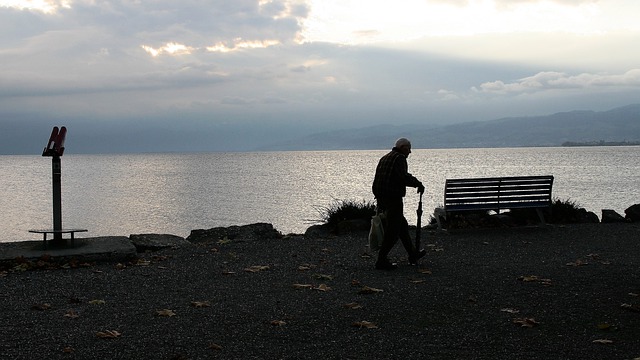
 For the past 30 years since my father decided to take his own life I have been searching to understand why he made that choice. What had caused him so much pain that he would destroy his own existence and deeply damage the lives of everyone who loved him in the process?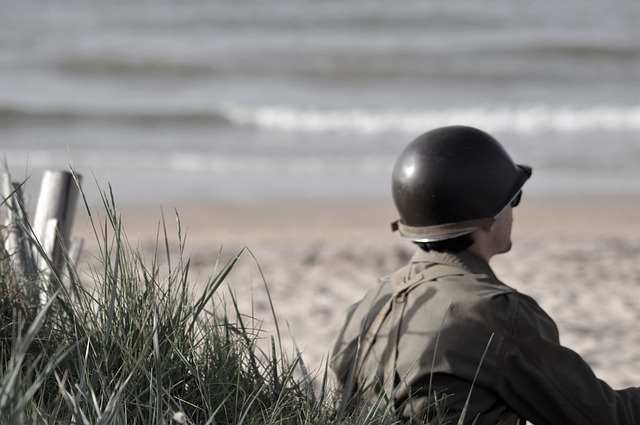
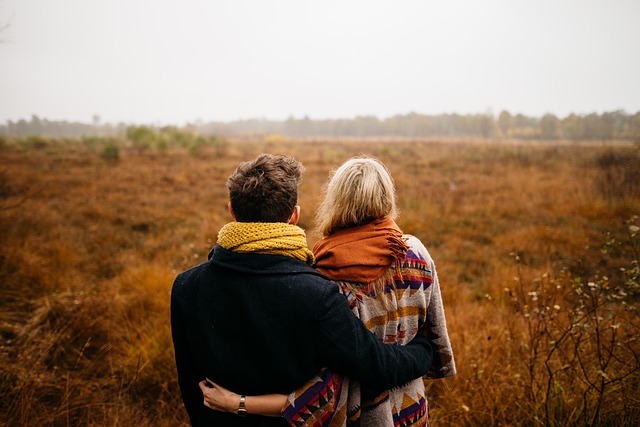 After my father’s death I traveled back to my hometown with my husband and two small children to help make funeral arrangements and be with family. My cousin took us in and housed us in her home for an entire week so we wouldn’t have to stay in an impersonal hotel. She cooked nourishing meals for us, watched my children when I needed time alone, and sat up listening to my stories late at night when I couldn’t sleep. Her lovingkindness made all the difference for me in my own grief process and I left her home feeling much stronger than when I had arrived.
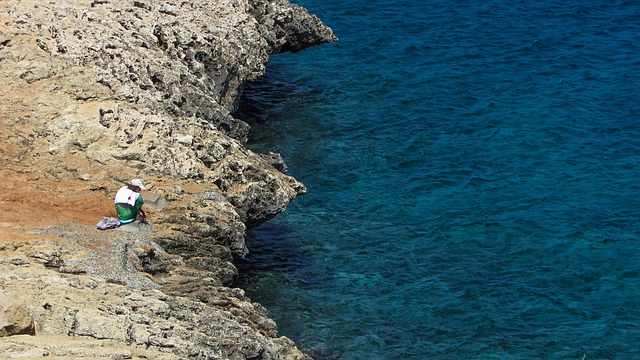 Several years after my father’s death I spent a long weekend alone at a hot springs resort in the mountains so that I could do some thinking and writing about the impact of his suicide on my life. I had a profound experience there as I confronted old fears and anger and found a new level of forgiveness for him. But it was only possible because I was there alone and had time to go deep into my own dark emotions.
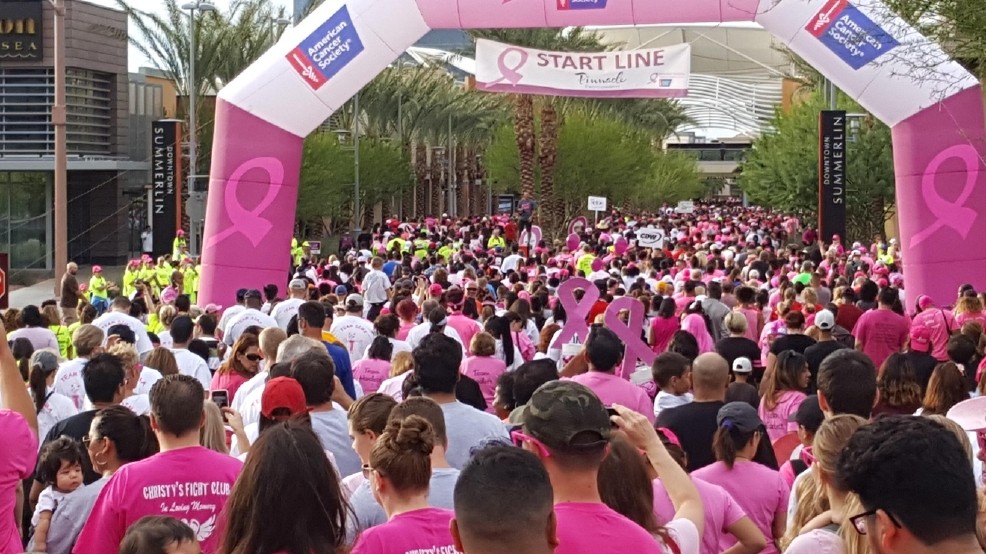 I once participated in a 60-mile walk to raise funds for breast cancer research, motivated by the deaths of two friends from the disease and the recent diagnosis of my young niece with breast cancer, as well. I trained for several months before the walk, which allowed me ample time to contemplate the nature of serious illness and death and to dedicate my walk to a higher purpose. During the walk itself I had many inspirational encounters that helped me see the connections between all of us—those who walked and those who were struggling with cancer. Through that walk I reached a new level of spiritual understanding about death and loss that helped me immensely over the years that followed.
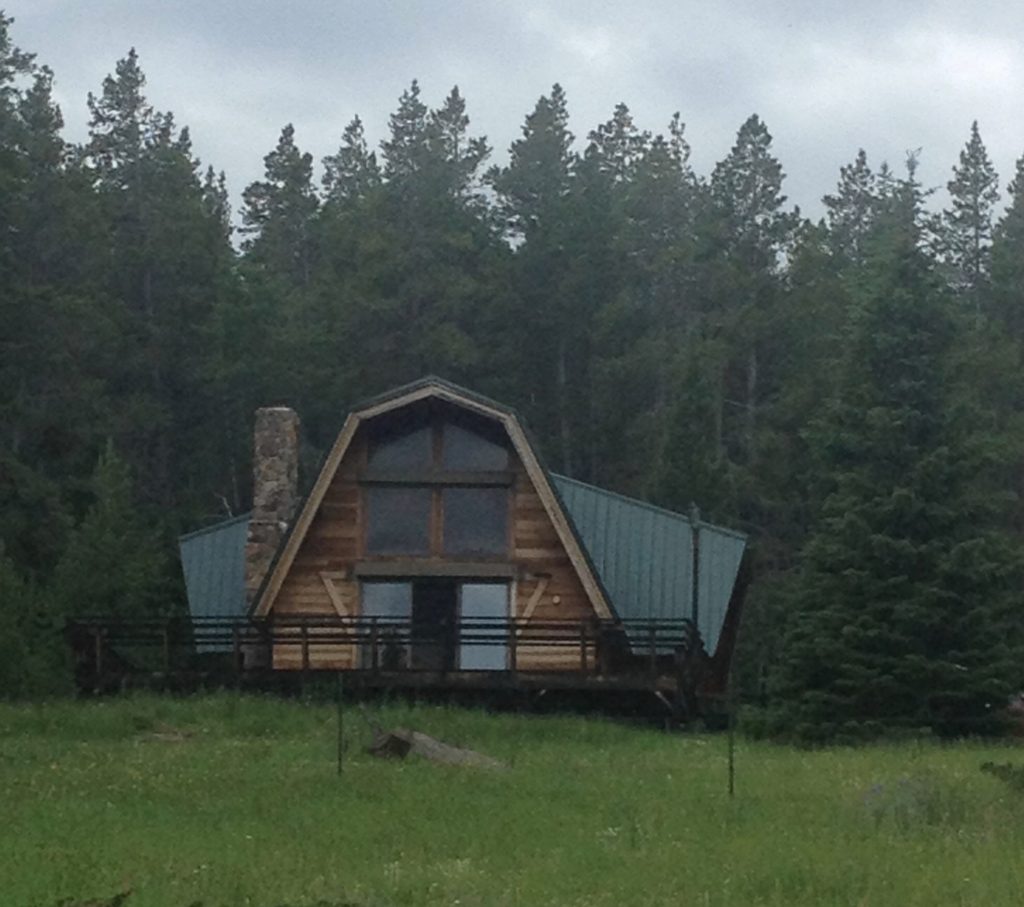 On many occasions after my father’s death I returned to the cabin he had built in the mountains in a place he dearly loved. Spending time there helped me recall happy moments from the past and also provided me with a tangible sense that Dad lived on through the cabin and through the trees, streams and wildflowers that surrounded this very special place. I could sit next to his favorite fishing hole and still hear his laughter and see him casting his fly line above the water: Dad was with me again in those moments and I felt that our connection was stronger than ever before. Though I also experienced pain through these memories, I came to terms with my grief a little at a time with each and every visit.
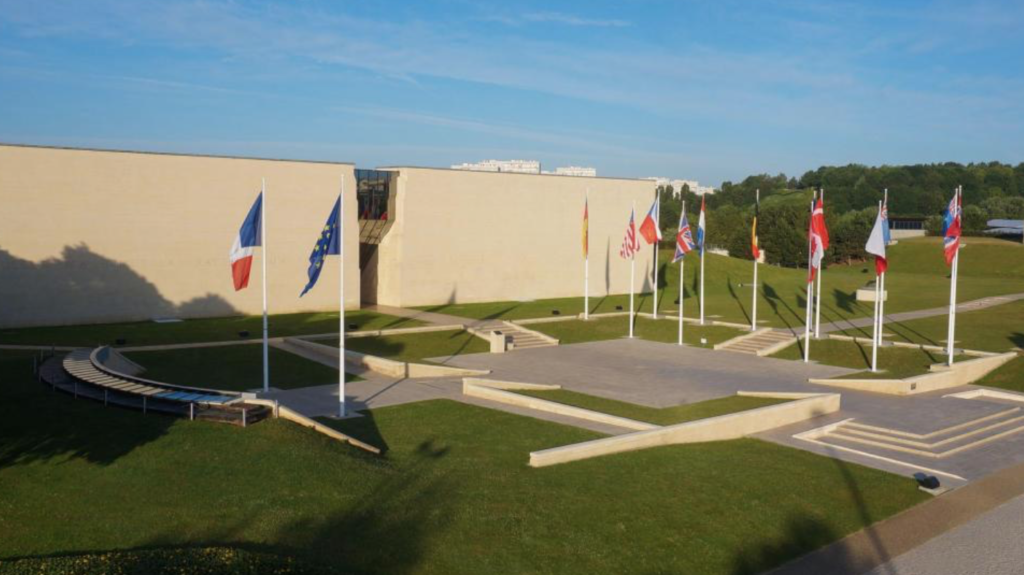
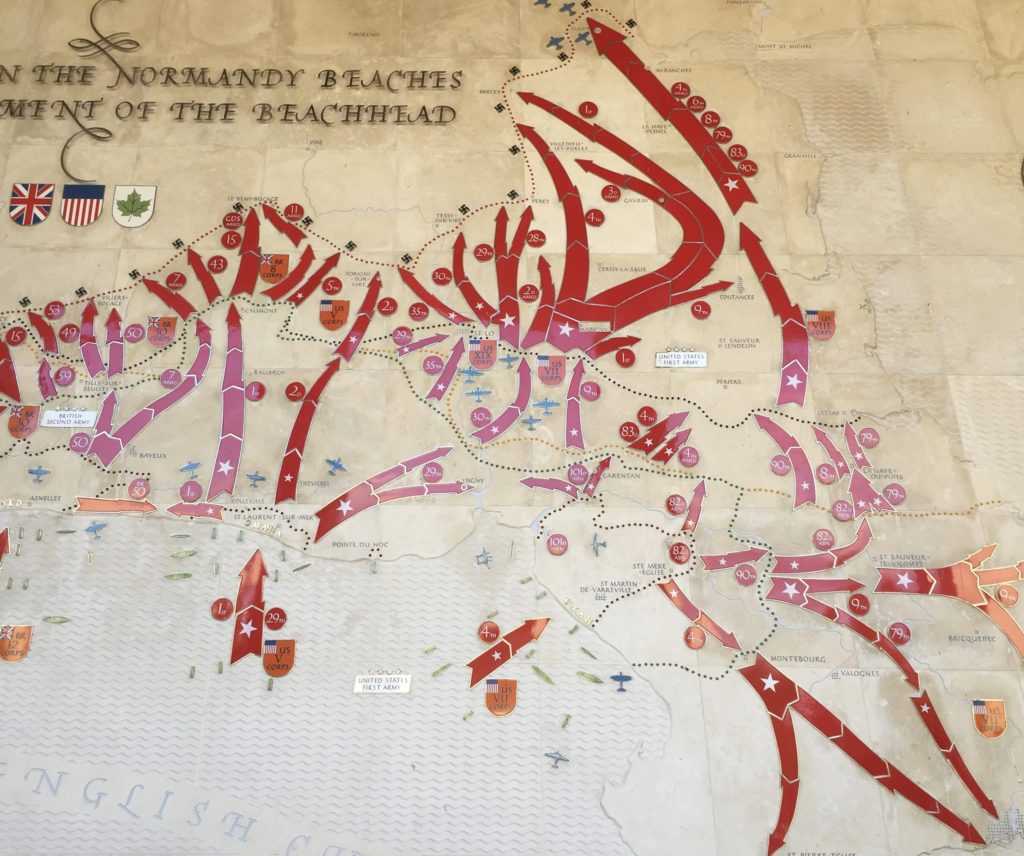
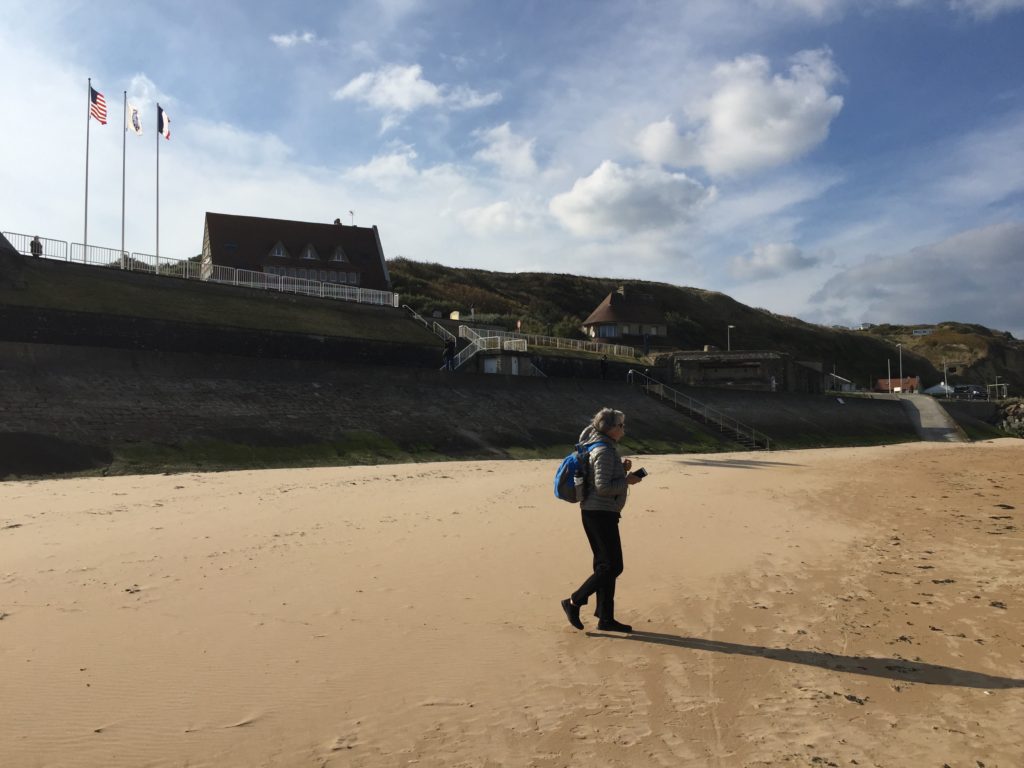
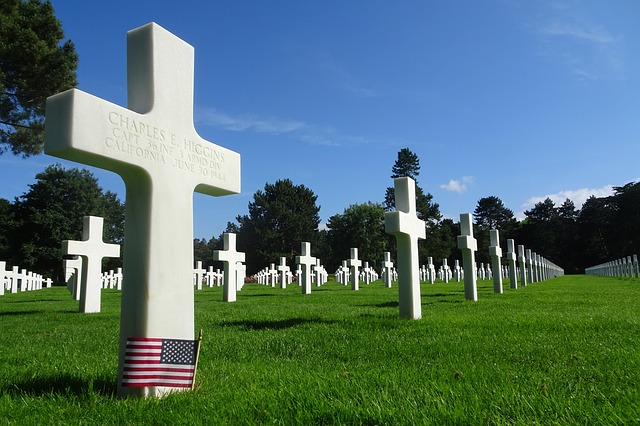
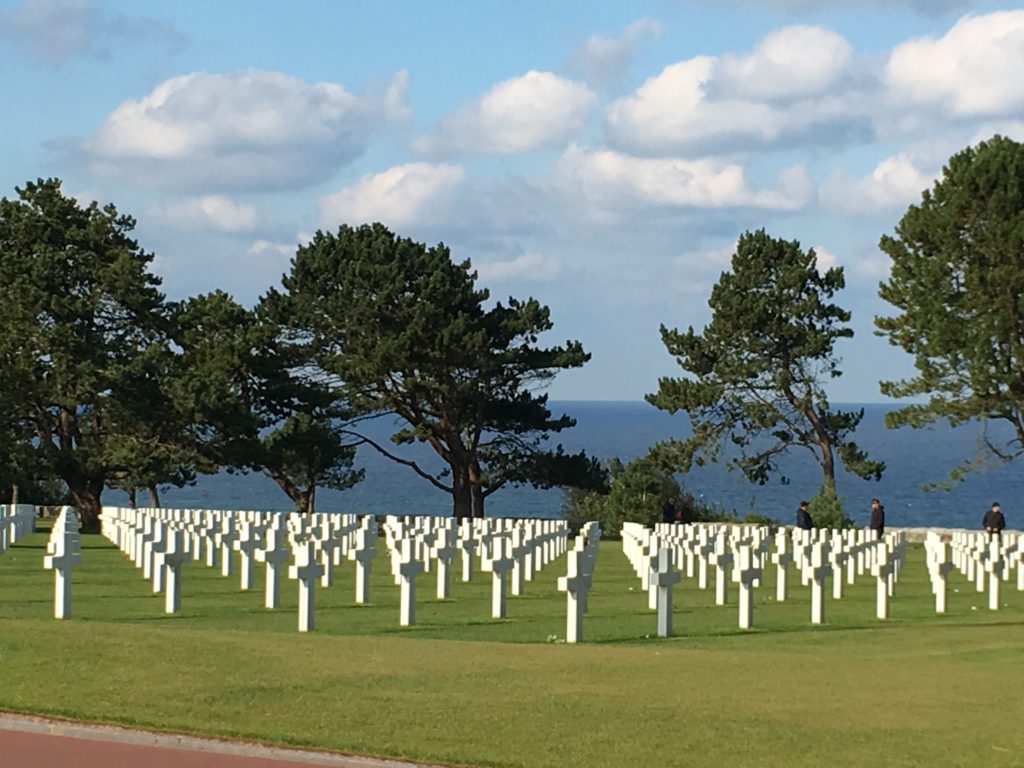 As I sought answers for my father’s suicide I began to suspect that his experiences during World War II played a key role in the depression and anxiety that had plagued him for years. I researched the history of his army division to the best of my ability and learned that he had been part of the invasion at Normandy as well as the Battle of the Bulge. On a subsequent trip to France I visited Omaha Beach and many other historic sites in Normandy with the help of a knowledgeable guide. Walking the beach where so many died during the invasion deepened my awareness of the trauma Dad and other soldiers experienced during the war and I felt that I finally understood him thoroughly for the first time in my life.
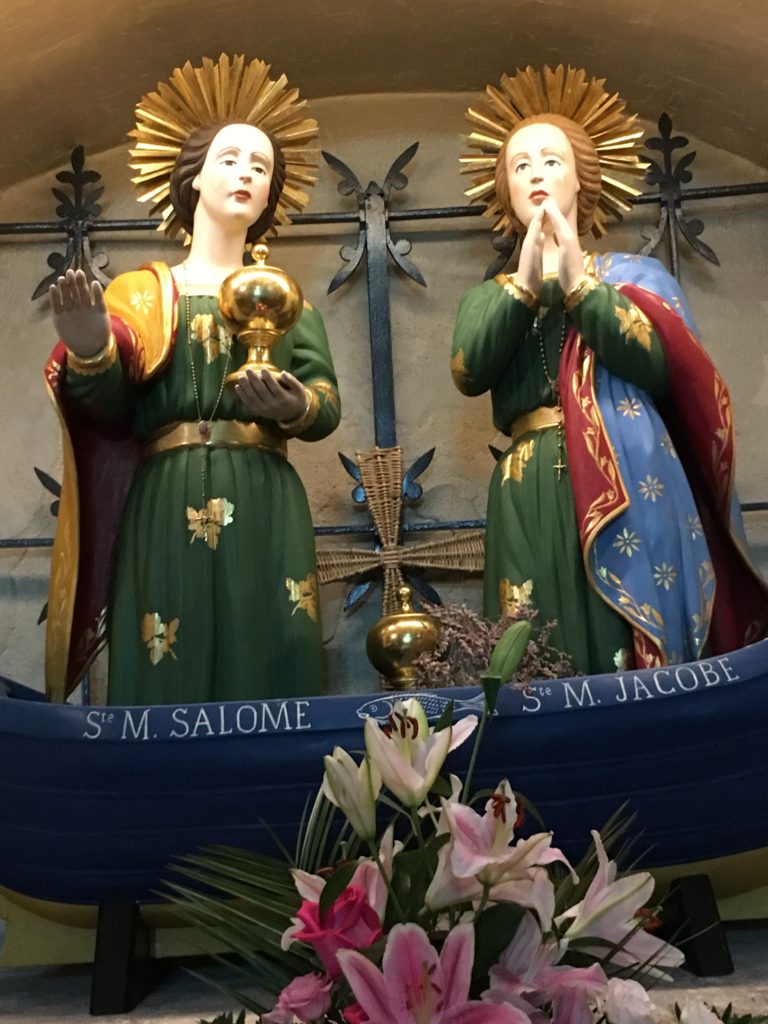 Once on a trip to France I felt inspired to take a bus to a small village nearby, without knowing what I would find there. I wandered the little streets and came upon a church that attracted my attention. When I stepped inside I heard angelic music that filled the entire space. A soloist was practicing her songs for Sunday mass and I was treated to a spontaneous and inspirational concert as I sat within that comforting space. I could not have planned or scheduled this special experience on my own, but it transformed my entire trip.
 In previous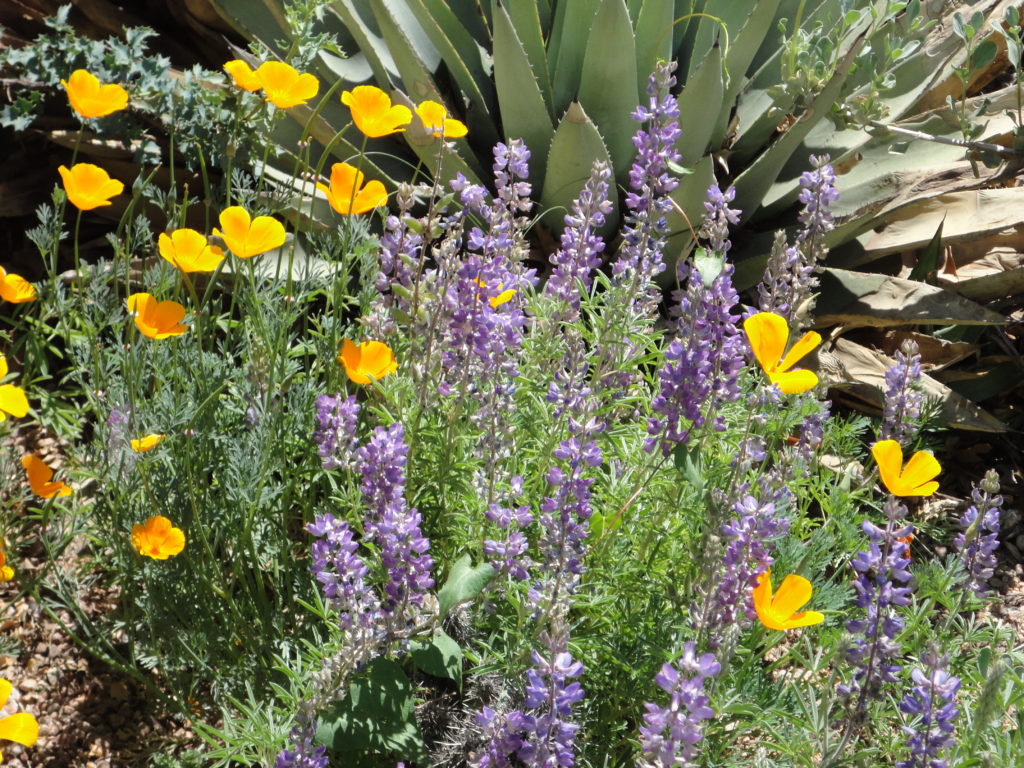
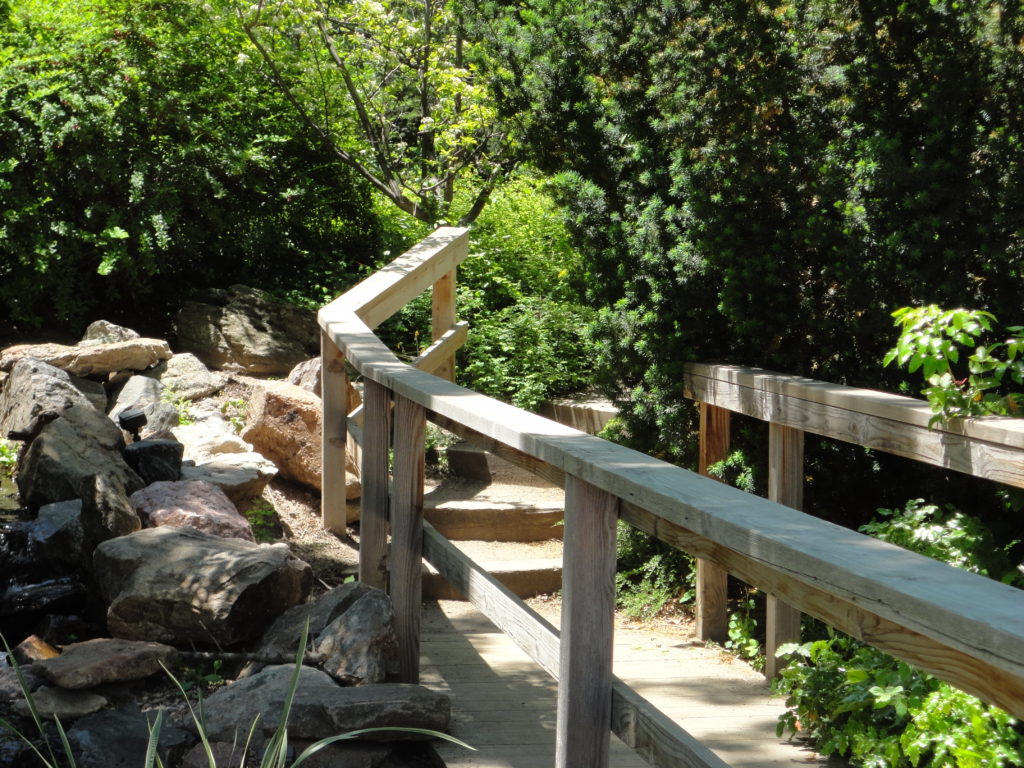


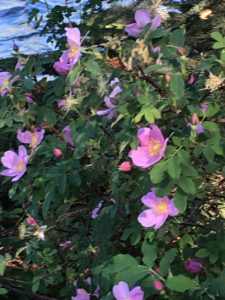 In that moment I was surrounded by joy, peace and love. I looked down and saw beautiful flowers I hadn’t noticed before at the side of the path: fragrant wild roses in bright pink, Tracey’s favorite color. I instantly knew what to do next and asked Tracey to join me.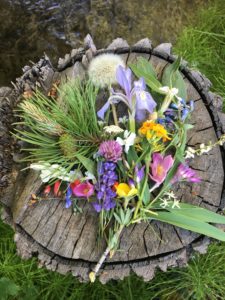
 Dr. Karen Wyatt is a hospice and family physician who writes extensively on spirituality and medicine, especially at the end-of-life. She is the author of the award-winning book